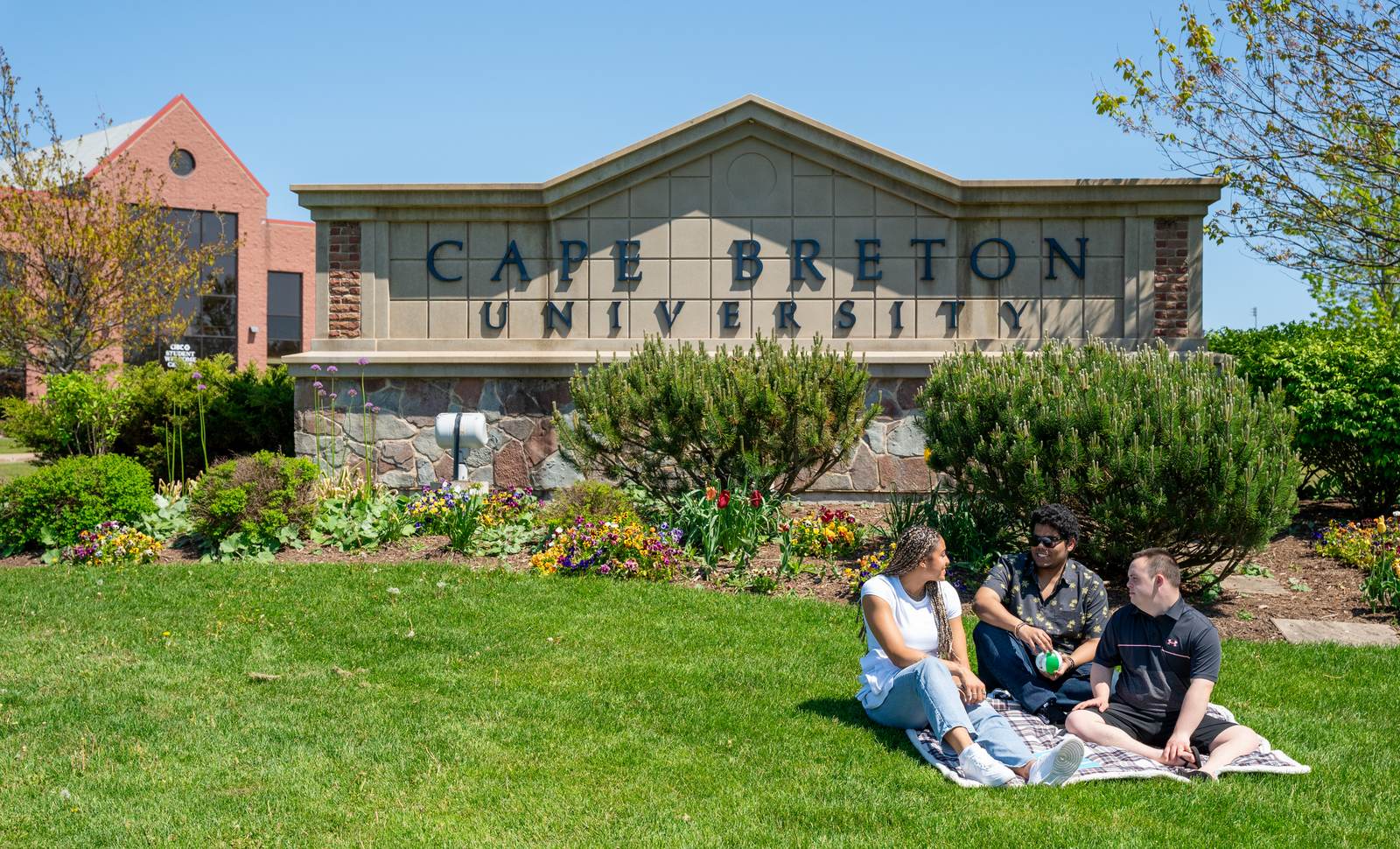
A public university in Nova Scotia, on Canada's east coast. Tell us what you want to study and an advisor will come back to you with the entry requirements, fees and dates for that program.
An advisor will be in touch soon with the entry requirements, fees and dates for your program.
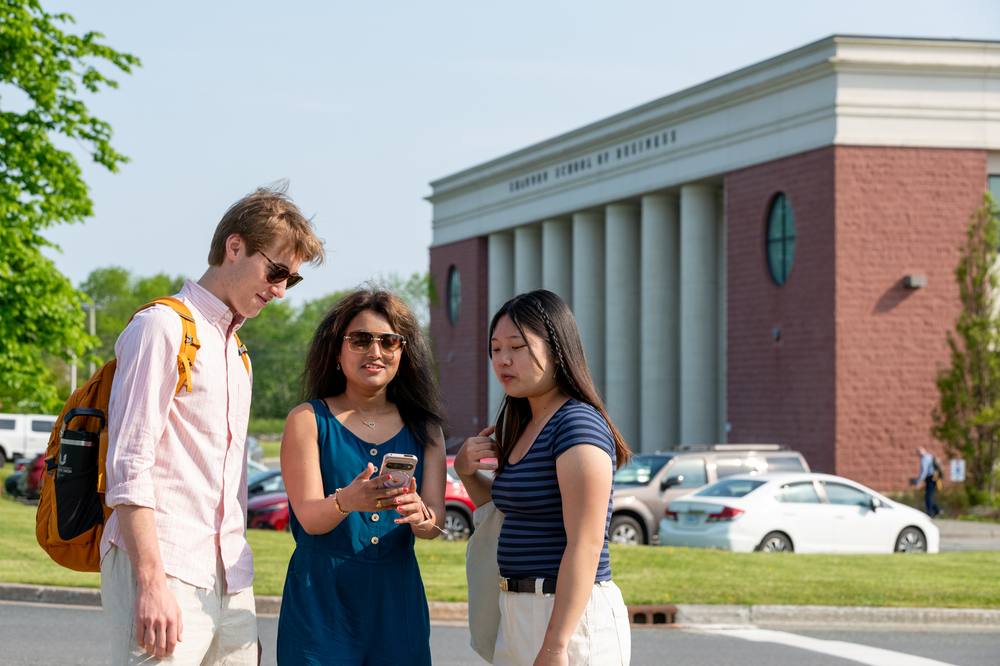
CBU is a public, government funded university. Your degree carries the standing that comes with that, in Canada and back home.
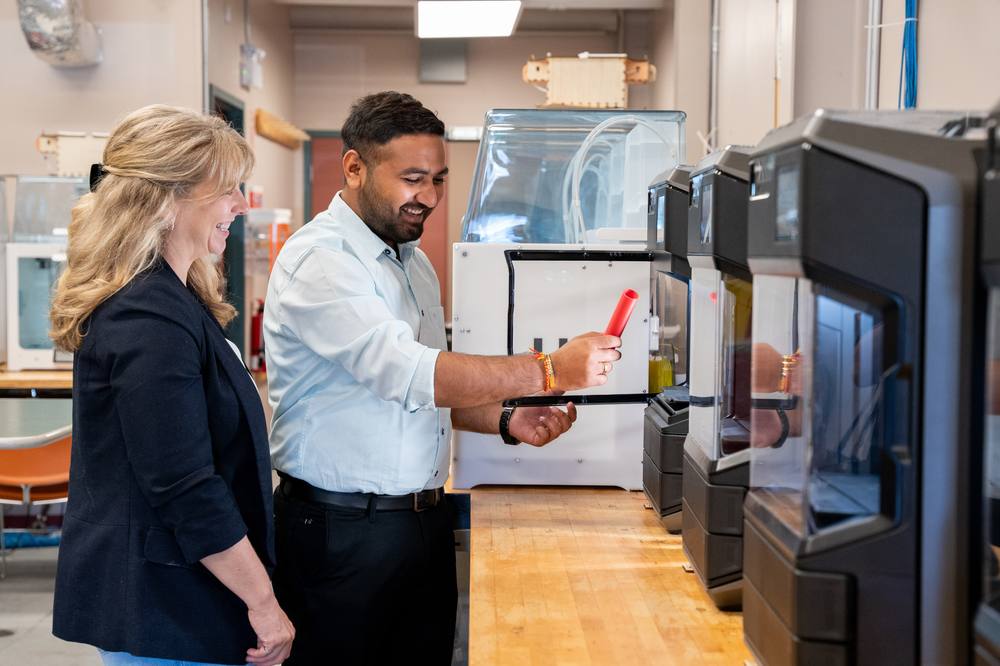
Business, health, science, engineering technology and the arts across five schools, with paid co-op work terms built into many of them.

More than 4,000 students from over 50 countries, a student-run Multicultural Hub, and advisors whose job is helping international students settle in.
Pick one on the form and we will send you the entry requirements, fees and start dates for that program.
A three year degree with two paid internships built in, 1,080 hours of industry experience before you graduate. A dual degree with the BBA is also available.
SMART+ accredited by Tourism HR Canada
An undergraduate degree in public health you can apply to straight after Class 12. Community health, health promotion and the systems that keep whole populations well.
Apply after Class 12
Program streams in mechanical, environmental studies, electronics and controls and more. Lab based and practical, with equipment you work on rather than read about.
Majors in accounting, marketing and supply chain management, with concentrations including finance, human resources, and tourism and hospitality management.
Co-op eligible
Majors in biology, chemistry, mathematics and psychology. Each discipline offers a pre-med track if you are planning on medical school later.
Around twenty majors including psychology, political science, communication, history and mathematics. Community Studies and Arts and Science in Environment are separate degrees.
Co-op eligible
Years one and two at Cape Breton University, then years three and four at Dalhousie University to complete your engineering degree.
Tell us what you have studied so far and we will point you to the right program and send the entry requirements for it.
The yearly total is tuition of $9,975, the international differential of $11,520, medical cover of $1,283 and student fees of $1,107. These are CBU's published 2026/27 rates in Canadian dollars. Figures for September 2027 are confirmed nearer the intake, and the exact amount is on your offer letter.
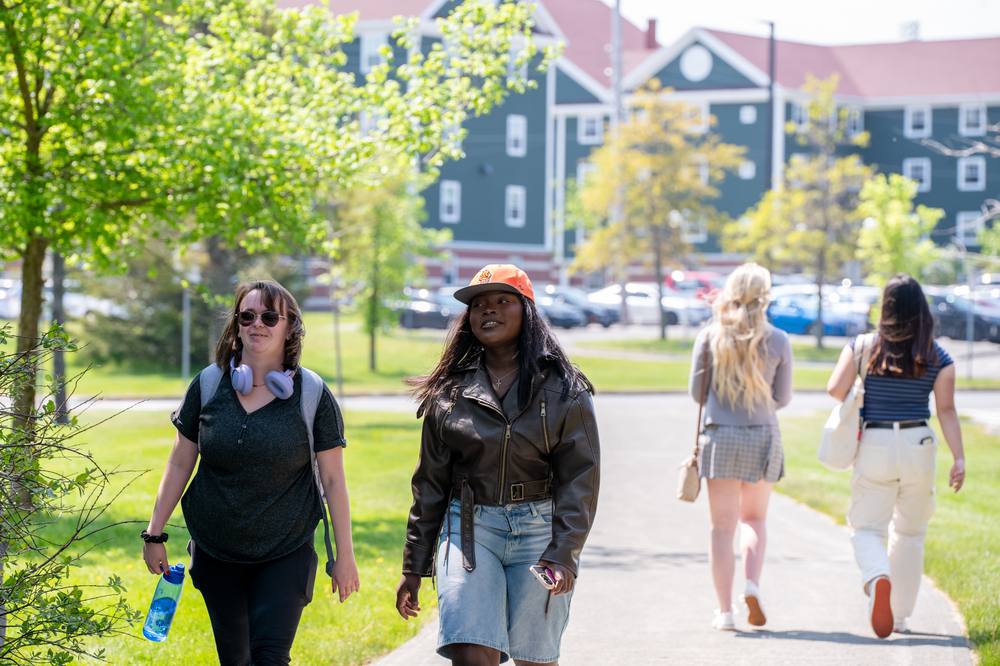
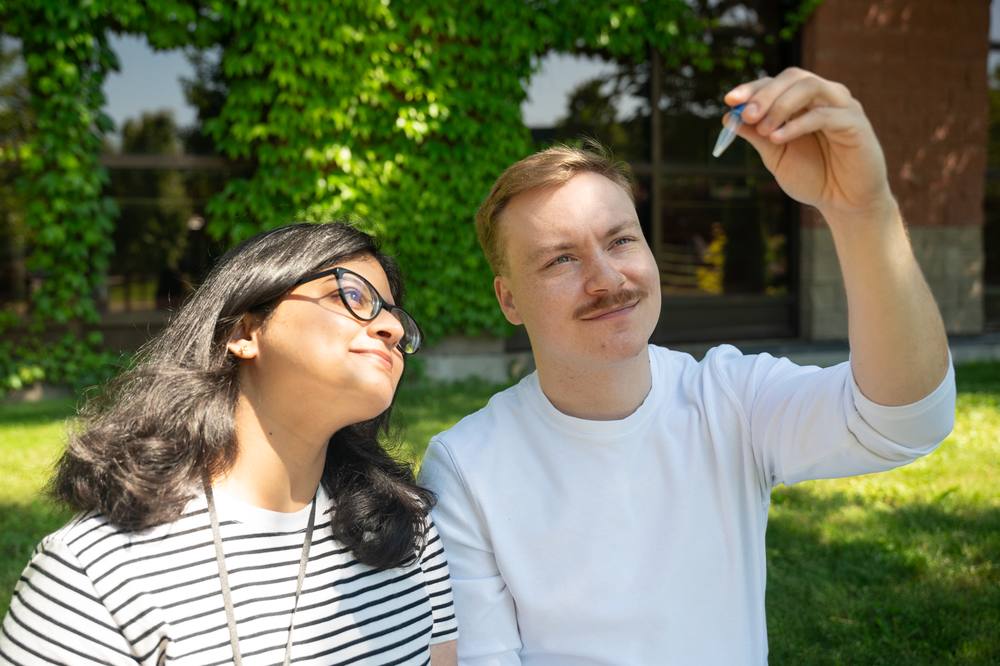
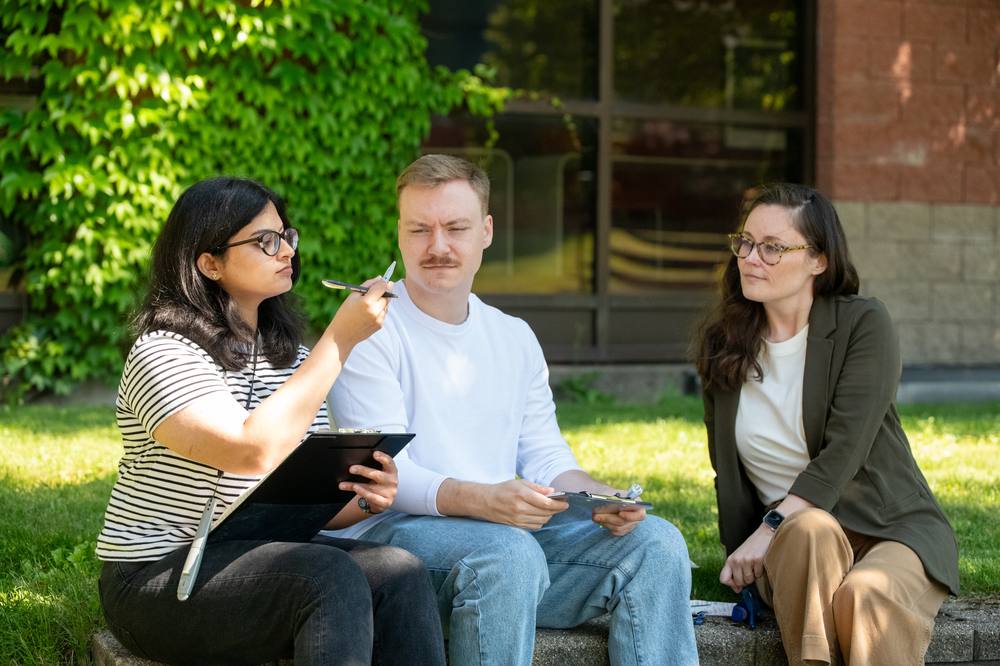
Library, labs, the Sullivan Fieldhouse, the Kehoe Forum after its $38 million rebuild, an art gallery, a theatre, and an eighteen hole disc golf course, a first within Canadian post-secondary institutions. Classes average fifteen students to one faculty member.
Three residences: Cabot, Alumni Hall and Harriss Hall. Residence runs $2,380 to $4,300 a semester and meal plans $500 to $3,625. Off campus, budget around $1,000 a month for rent, food and bills.
The students' union runs a Multicultural Hub, a food bank and a women's centre. Sydney sits in a community of roughly 130,000 people, with groceries, pharmacies and urgent care close to campus.
Winter runs from -5°C to 0°C and it snows. Summer is 20°C to 25°C. Spring and autumn sit between 0°C and 20°C. Most students say the first winter is the hardest part and the rest is fine.

Cape Breton University builds work experience into many of its degrees. What follows is what the university offers, and what the current rules allow.
Immigration rules are set by the Government of Canada and can change. This page reflects the rules as they stand and is reviewed with CBU. Nothing here promises a job, a visa or permanent residency.
Fill in the form. It takes under a minute and costs nothing.
We come back with the entry requirements, fees and documents for your program.
We help you put the application together and submit it to CBU.
Once your offer is in, we walk you through the deposit, the permit and arrival.
Yes. CBU is a public, government funded university in Nova Scotia, on Canada's east coast.
With CBSE, ISC or another Senior Secondary School Certificate taken after Standard XII, CBU asks for an overall 55% with no individual grade below 50%. Each program then sets its own minimum on top of that, usually 65%.
IELTS 6.5 overall with no band below 6.0. PTE Academic 59 with nothing below 50. Duolingo 120 with nothing below 105. TOEFL iBT 80 with no section below 20. If you are short, the Cape Breton Language Centre runs a pathway into the university.
Sydney, on Cape Breton Island in Nova Scotia, on Canada's east coast. Sydney airport is a five minute drive from campus, with connections through Toronto and Montreal.
Yes. CBU awards substantial funding to international students every year. Ten bursaries cover the international differential fee for your first year for students coming straight from a school outside Canada, and ten residence bursaries support living on campus. Ask your advisor for the amounts that currently apply.
Tell us what you want to study and we will send you the entry requirements, fees and dates for that program. No cost, no obligation.